
The importance of three-layer cardboard in packaging

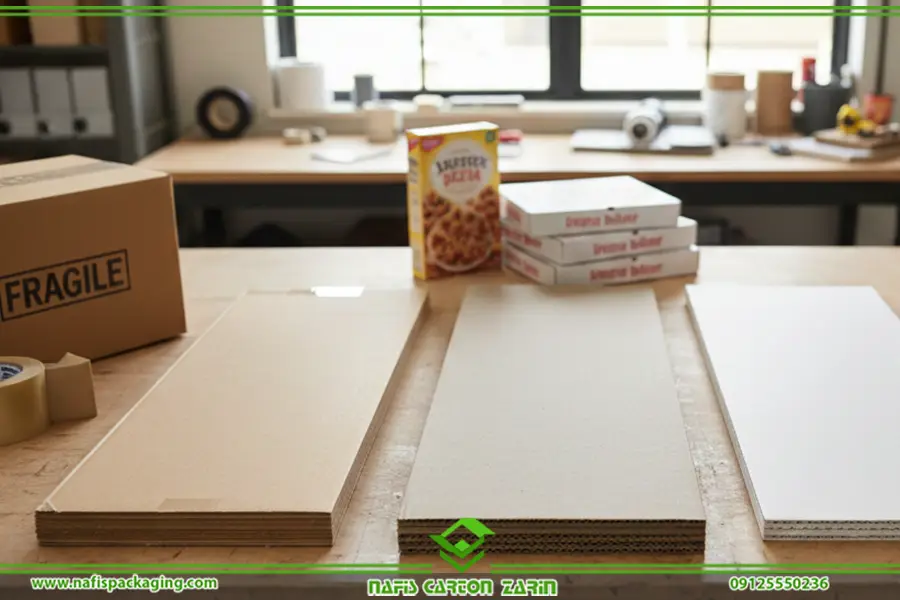
Three-layer cardboard is one of the most widely used and popular types of cardboard in the packaging industry. This type of cardboard is the first choice of many manufacturers of various goods due to its simple structure, good resistance and economical price. Three-layer cardboard is widely used in food, pharmaceutical, industrial, cosmetic and even heavy industry packaging.

One of the most important features of three-layer cardboard is the combination of two flat layers (liner sheet) and a flute layer in the middle. This combination makes the cardboard both light and strong enough for handling, storage and transportation. In addition to physical protection of the goods, proper packaging also strengthens the advertising and brand introduction aspect.

Today, with the increase in product diversity and market competition, packaging manufacturers are looking for cardboard that, in addition to being strong, can be printed and customized. Three-layer cardboard, with its flexible features, is an ideal option for these needs.

In this article, we intend to comprehensively discuss the structure, types, production line, applications, quality testing, and price of three-layer cardboard so that you can make a smart choice for packaging your products.

Part 1: Structure and components of three-layer cardboard

Three-layer cardboard consists of two flat layers and a corrugated layer (flute) in the middle.

1. Liner sheet: The liner sheet is the flat layer of cardboard, the main function of which is to protect the goods and withstand external pressure. The liner can be made of new or recycled paper. The higher the quality of the paper, the higher the resistance of the cardboard.

2. Flute layer: The flute layer is the middle layer of three-layer cardboard, which is produced in a corrugated form and has the role of increasing the strength and resistance of the cardboard against pressure and impact. Types of flutes include B flute, C flute, E flute and F flute, each of which has a different height and number of waves and is suitable for specific applications.

3. Gluing method: The liner and flute sheets are connected to each other using glue and heat. This connection must be such that the resistance of the edges and surfaces of the cardboard is guaranteed during cargo transportation and storage.

Advantages of three-layer structure

  • Lightweight and compact
  • Proper resistance to pressure and impact
  • Ability to print and brand on the surface
  • Economical price compared to five-layer cardboard

Part 2: Types of three-layer cardboard and their applications

Three-layer cardboard is categorized based on the type of flute:

Cardboard Type Flute Height Number of Flutes per m² Application
B-flute 3.2 mm 154 Packaging food and lightweight items
C-flute 4 mm 128 Packaging fruits, pharmaceuticals, and industrial products
E-flute 1.5 mm 295 Offset printing, small and luxury boxes

Applications of Each Cardboard Type:

  • B-flute: Suitable for medium-sized boxes with medium strength

  • C-flute: The most common type of three-layer cardboard, ideal for bulky and heavy products

  • E-flute: Used for direct printing on cardboard and luxury boxes

Part 3: Three-layer carton production line

1. Raw materials: To produce three-layer cardboard, two layers of liner sheets and one layer of flute are needed. The liner is usually made of virgin or recycled paper, and the flute can be made of recycled paper.

2. Production steps

  • Preparation of liner sheets and flotation
  • Heating and gluing
  • Layering
  • Compression and drying

3. Machinery used: The three-layer cardboard production line includes a single-facer flotation machine, a glue machine or gluer, and a heat press or double-facer. These equipments make the cardboard produced both resistant and uniform.

Part4: Testing and quality control of three-layer cardboard

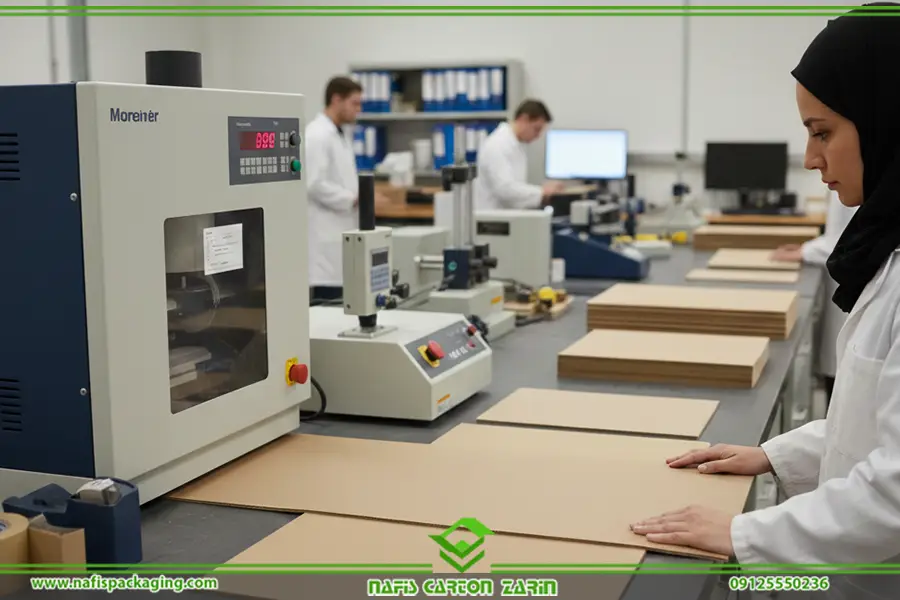
  1. Compression Resistance Test: To ensure the cardboard can withstand weight and pressure, the boxes are placed between two plates and pressure is applied to determine the bending point.

  2. Water Permeability Test: The cardboard is placed in water for a limited time to assess its moisture absorption.

  3. Edge Bonding Test: The bonding of layers and edges is checked to ensure the box’s strength during transportation.

Part5: Applications of three-layer cardboard in various industries

Three-layer cardboard is used in various industries:

  • Food and beverage industries: fruit, food, beverage packaging
  • Pharmaceutical industries: drug and supplement packaging
  • Cosmetics industries: beauty and luxury product boxes
  • Industrial industries: tools, machinery parts
  • Poultry industries: egg packaging

Tips for printing on three-layer cardboard

  • The best flute type for printability is in the order E > B > C
  • For offset printing, it is better to print on a separate sheet and then laminate
  • The best flute type in terms of resistance is in the order C > B > E

Part 6: Three-layer carton price and how to inquire

The price of three-layer carton depends on the following factors:

  • Type of flute and liner sheet
  • Order quantity and carton dimensions
  • Type of printing and customization
  • Cost of raw materials and adhesives

Part 7: Conclusion and the importance of choosing the right carton

Three-layer cardboard combines strength, affordability, and printability, making it one of the most widely used packaging types. By selecting the right flute type and paper quality, products can be protected against impact, moisture, and pressure, while simultaneously showcasing your brand. Choosing the right cardboard not only reduces damage-related costs but also enhances customer experience and strengthens your brand’s reputation.